Solar ATAP (Solar Accelerated Transition Action Programme) is Malaysia’s new consumer rooftop solar programme, effective 1 January 2026. It changes how rooftop solar works for both homes and businesses, especially how excess solar is valued, settled, and how systems should be designed. This guide explains the Solar ATAP guidelines easily, so you can clearly understand what it means for you.
1. What is Solar ATAP?
Solar ATAP is a solar rooftop programme introduced by Suruhanjaya Tenaga (Energy Commission) that allows electricity consumers in Peninsular Malaysia to:
- Install a solar PV system on their premises
- Use solar energy primarily for self-consumption
- Export excess solar energy generated to the TNB grid
- Receive bill credits for that exported energy to offset electricity bills
Solar ATAP is designed to be clear and fair, allowing consumers to benefit from solar without shifting electricity costs to those who do not have solar.
2. How are export credits valued?
For Domestic (Home) users:
- Export credits are based on the Energy Charge in your TNB bill.
- This is the main electricity portion of your bill.
For Non-Domestic (Business) users:
- Export credits are based on Average System Marginal Price (Average SMP)
- SMP is a wholesale electricity price
- This means export credit value for businesses can vary from month to month.
3. How do export credits apply to your TNB bill?
- Export credits are calculated monthly
- Any unused credits do not carry forward and is forfeited
- If credits exceed your bill, it is reduced to RM0
- There is no cash payment
- Export credits cannot offset Automatic Fuel Adjustment (AFA) and other non-energy charges.
4. When does Solar ATAP take effect in Semenanjung Malaysia?
Solar ATAP officially comes into operation on 1 January 2026. Applications are subject to:
- Availability of government-approved capacity
- First-come-first-served basis
- Any opening or closing periods determined by the authorities.
5. How long can I export solar under Solar ATAP?
Solar ATAP runs for up to 10 years from the system's commencement date. After the 10-year period:
- You may continue using your solar system as usual
- BUT export to the grid is no longer allowed
- Solar can only be used for self-consumption
6. If I install solar under ATAP, when does my Solar ATAP period officially start?
- Your Solar ATAP contract officially starts once the bi-directional meter is installed.
- This is the point at which import and export are recognised under Solar ATAP billing.
7. Who is eligible for Solar ATAP?
You may apply for Solar ATAP if you are:
- A TNB-registered electricity consumer
- Not under a multi-tenant arrangement
- Installing solar within the same premise
8. Is Solar ATAP for homes or businesses?
Both. Solar ATAP applies to:
- Domestic Consumers (Homeowners)
- Non-domestic consumers (Businessowners, Factory Owners, etc.)
System size limits and export credit calculations differ between the two, which is explained below.
9. Where must the solar system be installed?
Solar PV system must be installed within the same premise. This includes:
- Rooftop-mounted systems
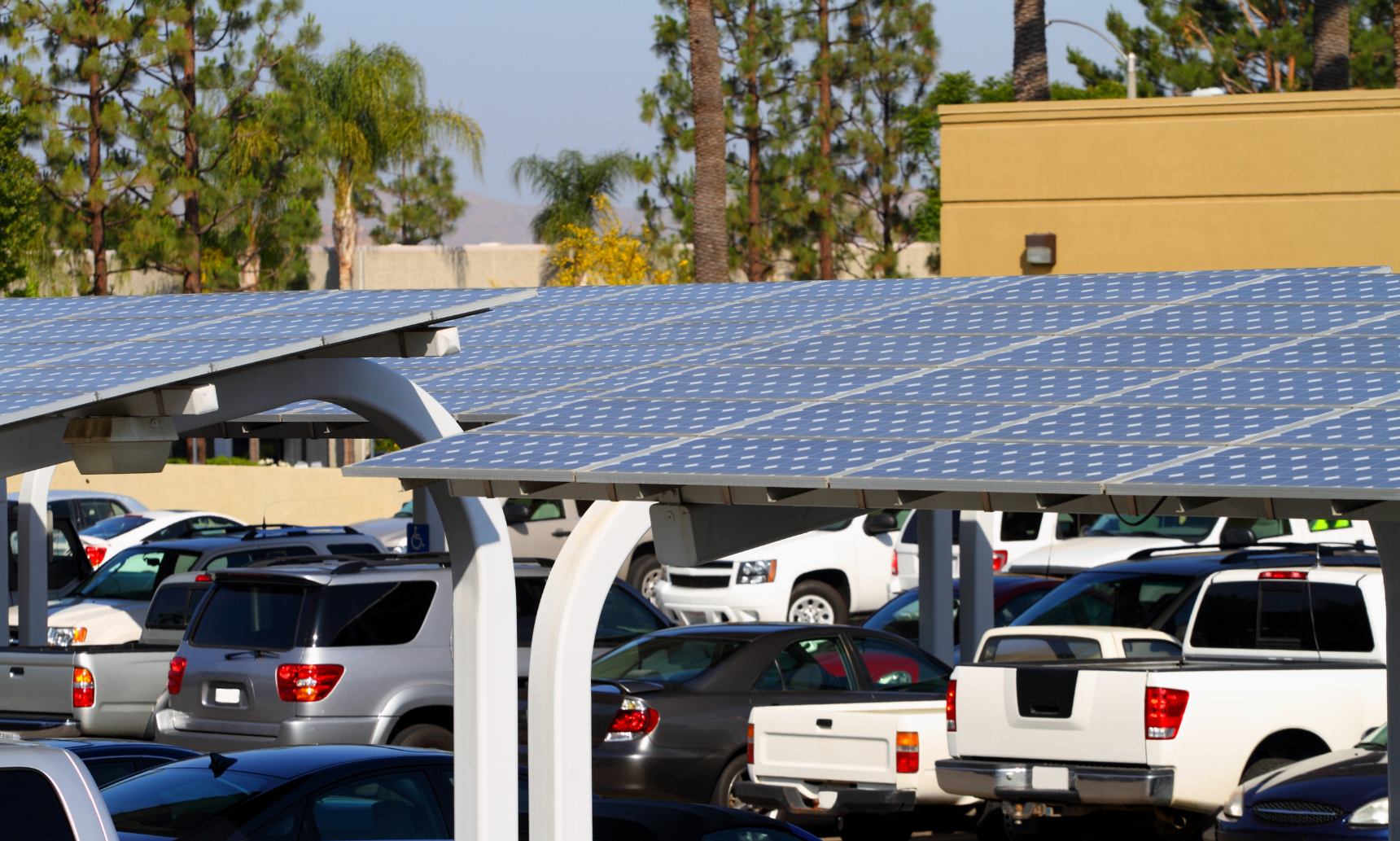
- Carpark roofs or covered walkways within the same compound.
The system is connected behind the meter, before the TNB bi-directional meter.
10. Who provides and maintains the meters?
- Bi-directional meter: Supplied and installed by TNB
- PV meter: Supplied and maintained by the consumer
All metering-related costs are borne by the consumer. However, you do not need to manage this yourself. When you work with an experienced end-to-end solar service provider, like Sunview:-
- Meter coordination is handled on your behalf
- Installation is aligned with TNB requirements
- The process is integrated into the overall solar project
For the homeowner or business owner, it is part of the standard installation process, not an additional task you need to worry about.
11. What happens if I sell the property?
The new owner may apply to continue Solar ATAP subject to:
- Approval by the Implementing Agency
- Signing a new Solar ATAP contract
- The remaining contract period applies
12. How big can my solar system be under Solar ATAP?
Domestic:
- Single-phase: up to 5kW
- Three-phase: up to 15kW
If these limits are exceeded, a Connection Confirmation Check (CCC) by TNB is required.
Non-Domestic:
- Up to 100% Maximum Demand (MD)
- Maximum Cap: 1MW
- Based on:
- Average MD over the past 12 months, or
- Declared MD (for newer accounts)
13. Is there a technical assessment required?
Yes, depending on system size and voltage level. Common assessments include:
- Connection Confirmation Check (CCC) for certain residential systems.
- Connection Assessment Study (CAS) for larger non-domestic systems
- Power System Study (PSS) for high-voltage installations.
Not all systems require these studies. Where required, they are typically coordinated by your appointed solar service provider with TNB.
14. How do I apply for Solar ATAP?
Applications are submitted through the eATAP system, managed by SEDA Malaysia.
- Application fee: RM7.50 per kW (non-refundable)
- Applications must be completed within 3 months
- Approved systems must commence operation within 18 months
When you work with Sunview, you do not need to handle this process on your own.
- The eATAP application is prepared and submitted on your behalf
- Supporting documents and technical requirements are handled for you
- Timelines and compliance are managed as part of the overall project
The process is guided and streamlined, not something you need to navigate independently.
15. What if I already have solar under NEM or SELCO? Can I switch between Solar ATAP, NEM, and SELCO?
You may join Solar ATAP only if:
- Your existing Net Energy Metering (NEM) or SELCO contract is terminated first
- Once switched, the system is governed entirely by Solar ATAP rules
- Remaining NEM or SELCO contract duration is counted as the Solar ATAP period.
For some users, remaining on an existing NEM scheme or opting for SELCO may be more suitable, depending on usage patterns and system design. We help you decide here.
16. Can I install a Battery Storage (BESS) under Solar ATAP?
Yes, Battery Energy Storage Systems (BESS) may be installed together with solar, provided:
- They comply with applicable laws and technical requirements.
- They do not compromise the TNB grid safety.
*BESS is optional, not mandatory under Solar ATAP.
17. What should I understand before deciding?
Solar ATAP is not just about installing solar. It changes:
- How export is valued
- How credits are settled
- How systems should be sized
- Whether switching schemes makes sense
Understanding these rules helps:
- Manage expectations on savings
- Reduce unused export credits
- Avoid system designs that don’t match actual usage
- Decide whether Solar ATAP, SELCO, or staying on an existing scheme is the better option
18. Who manages the Solar ATAP process?
While Solar ATAP is administered by the relevant Malaysian authorities, the process is typically handled by your appointed solar service provider. At Sunview, we manage the end-to-end Solar ATAP process — from solar system design and technical assessments to application submission, solar system installation, and commissioning and maintenance. This means you don’t have to navigate the guidelines, technical requirements, or approvals on your own.
%20in%20Malaysia.png)
This guide summarises the official Solar ATAP Guidelines issued by Suruhanjaya Tenaga. If you’re unsure how Solar ATAP applies to your home or business — or would like clarity on related options such as BESS (Battery Storage), SELCO, or whether switching schemes makes sense — our energy experts are always happy to help.
Helpful reads:
- Official Solar ATAP Guideline
- Is Solar ATAP Worth It? Can You Actually Save with ATAP?
- SELCO: Everything you need to know.
- SELCO or Solar ATAP: Which suits you better?
- What is BESS (Battery Energy Storage System)?
- Latest TNB Tariff Structure Domestic
- Latest TNB Tariff Structure Non-Domestic
- How we maintain your solar system (with pictures)
*For informational use only. Talk to our energy experts before proceeding.